Ceiling Leaks From the Unit Upstairs
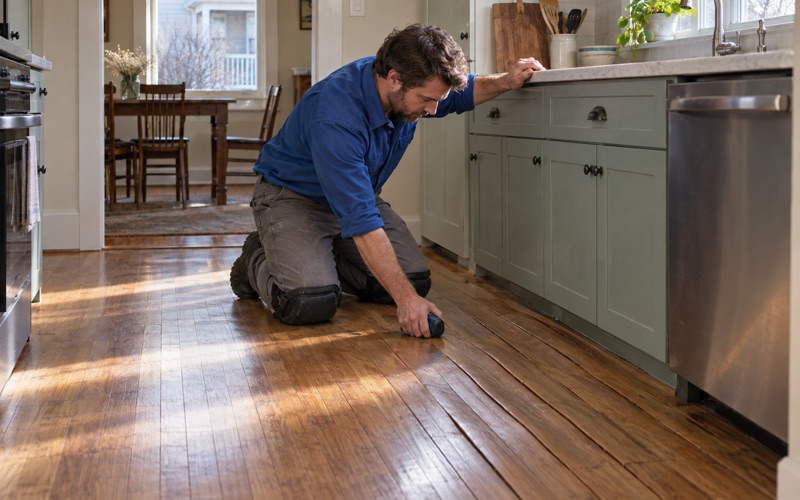
In a two-family or condo, a failed toilet seal or washing machine hose upstairs often ends up soaking the floor below. We find where the water entered, check the boards and subfloor with a moisture meter, and dry what can be saved. That separates a floor that needs drying and a sanding from one that needs boards replaced.
Radiator and Pipe Leaks Under the Boards
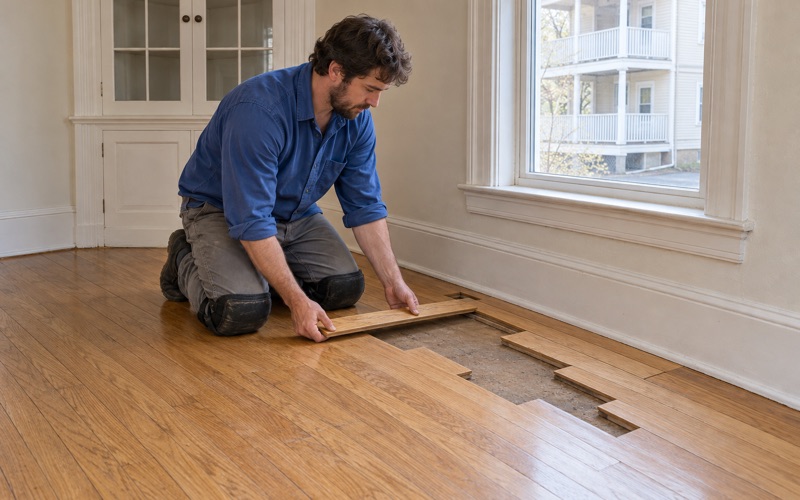
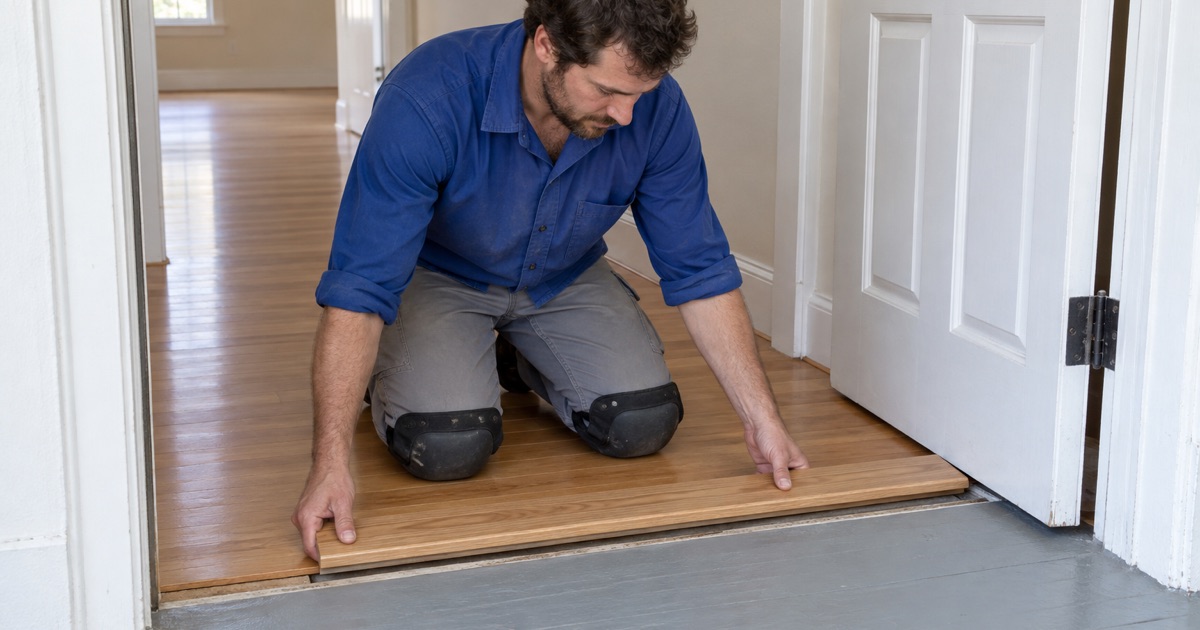
A slow drip from a steam radiator valve or a heating pipe can soak one spot for months before anyone notices dark boards or a soft patch. We lift the damaged boards, check the subfloor, and replace only what is rotted or stained through. Fixing the leak comes first, so the new boards are not ruined the same way.
Cupping and Buckling Floors
Cupping, where board edges rise above the centers, means the underside took on more moisture than the top. Buckling, where boards lift off the subfloor, is the same problem gone further. We find the source, whether a leak, a wet basement or missing vapor retarder, then dry the floor and wait for flat readings before sanding or replacing anything.
Winter Gaps Between Boards
When the heat comes on, solid wood dries out and shrinks, and gaps open between boards. Seasonal winter gaps that close again in summer are normal and do not need filler that will crack out by spring. Gaps that never close, or that appear in one area only, point to something else, and we explain which you have before quoting a repair.
Pet Urine Stains in the Wood
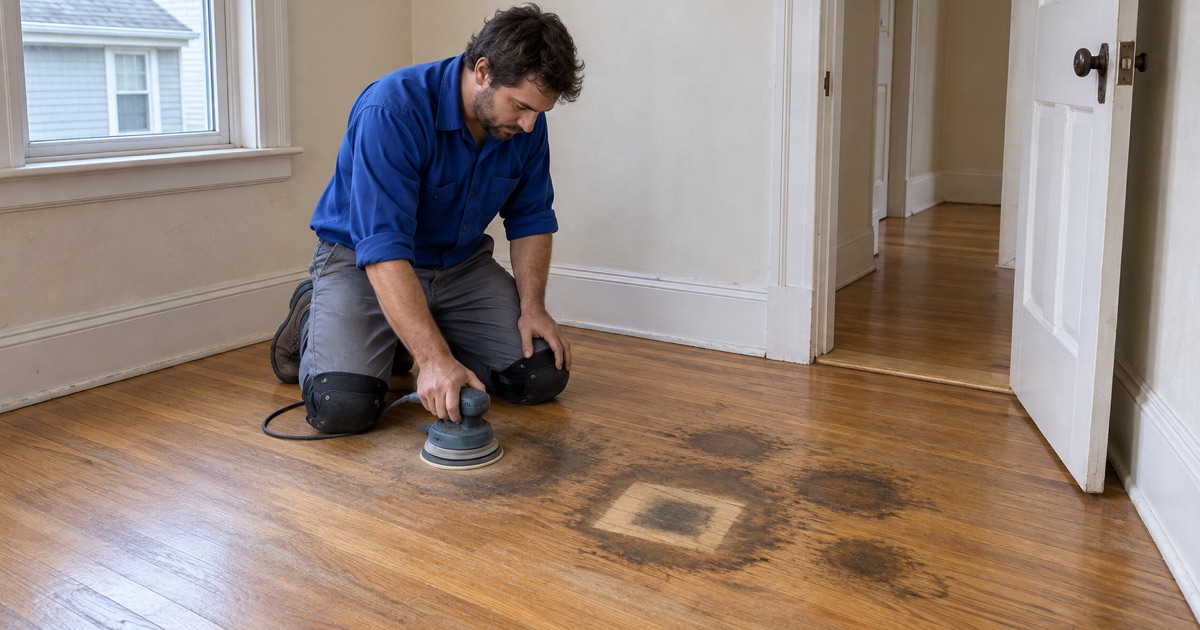
Pet urine turns oak black where it soaks into the grain, and a sanding only removes it if the stain is shallow. When it has reached the subfloor, we cut out and replace the affected boards and seal or replace the subfloor under them, because an odor left underneath comes back once the room warms up.
Worn Traffic Lanes in Hallways and Kitchens
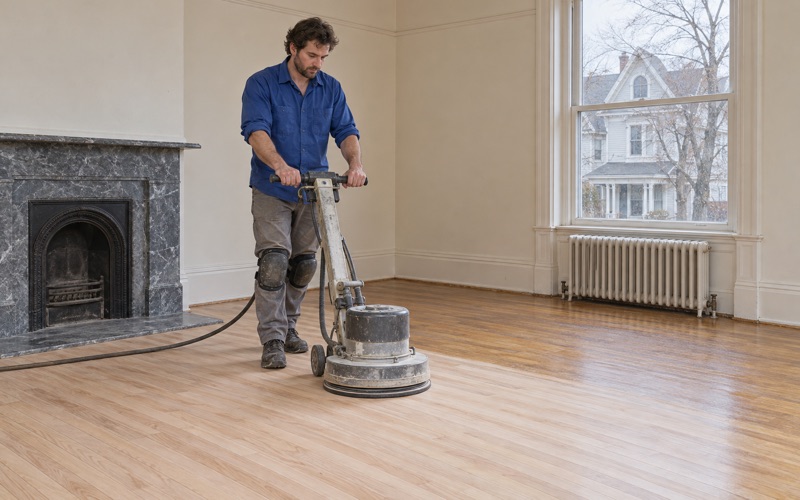
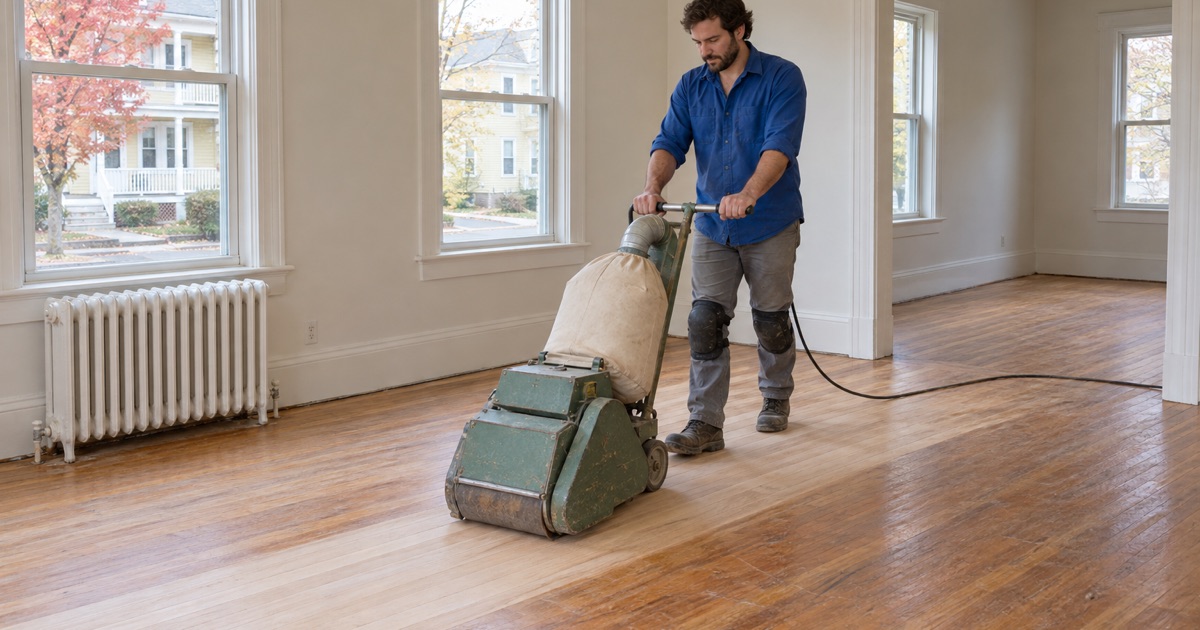
A gray path from the front door to the kitchen means the finish has worn through and the bare wood is taking dirt. Once that happens, a recoat will not fix it; the floor needs sanding to clean wood so the new finish bonds evenly across the lane and the protected areas beside it.
Squeaks, Loose Boards and Raised Nails
Squeaks usually come from boards rubbing on each other or on loose nails as the subfloor flexes. We refasten loose boards into the joists, set nails that have worked up, and replace split boards before any sanding, because a raised nail head will tear a sanding belt and gouge the floor around it.
Powderpost Beetle Holes and Frass
Small round exit holes with fine powder beside them are a sign of powderpost beetles, which bore through hardwood and old pine. We check whether the activity is current, and if boards are damaged we replace them. Active infestations need treating before the floor is refinished, so we say plainly when a pest professional has to come first.
Blotchy Stain and Tacky Finish
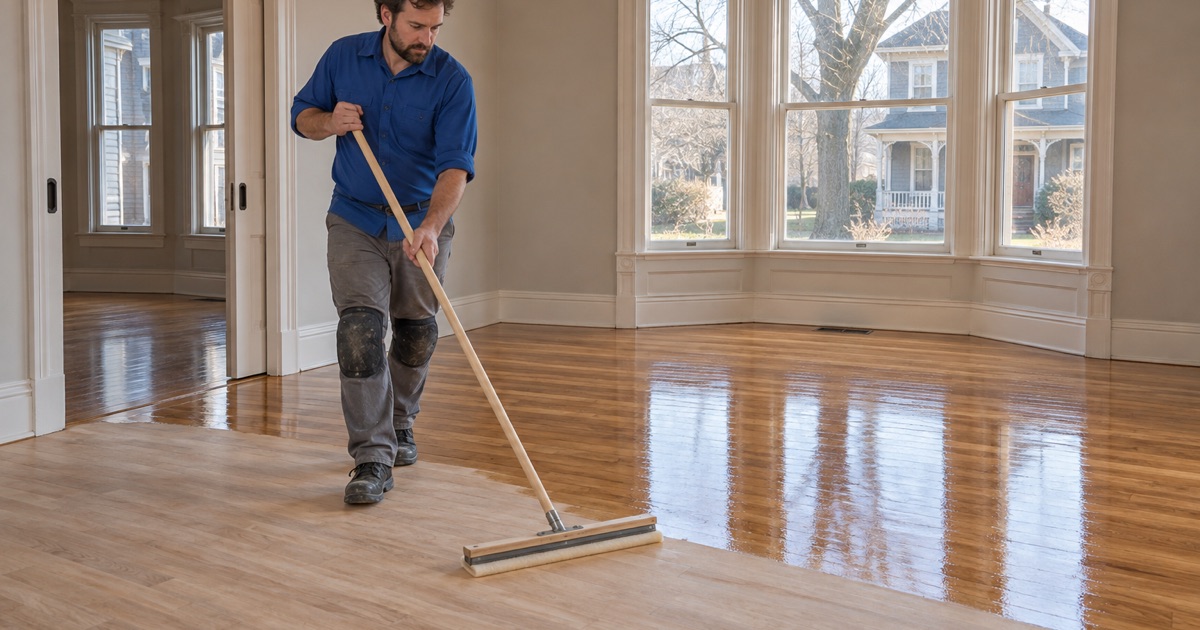
Blotchy stain usually means uneven sanding, a species like maple or pine that takes stain unevenly, or no water popping before the stain went on. A finish that stays tacky usually went over stain that was not dry. Both need sanding back to bare wood and redoing the steps properly, with stain samples first.
Replacement Boards That Do Not Match
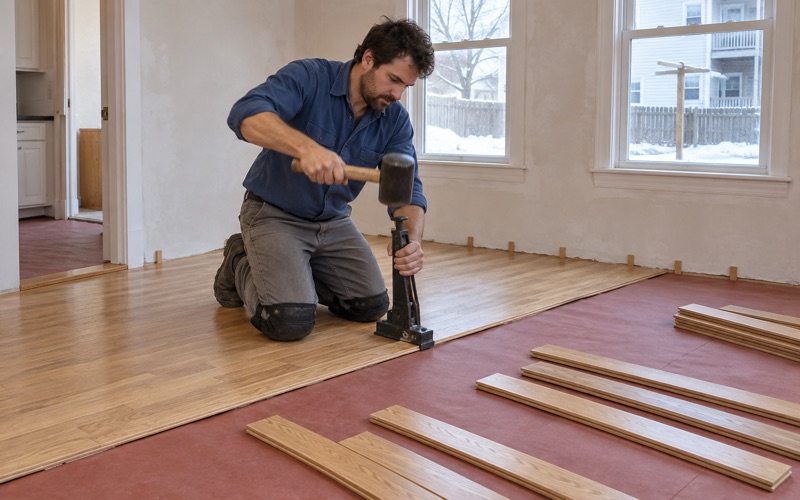
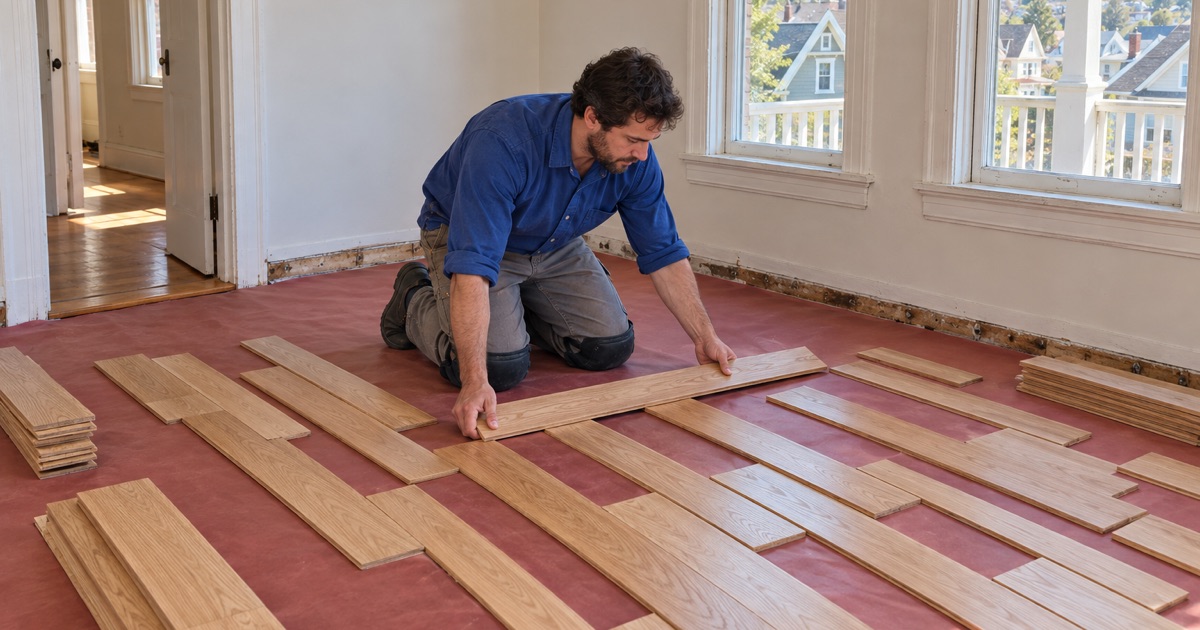
New boards that stand out usually differ in species, grade, width or cut from the originals, or were finished separately. We identify the red oak, white oak or pine in the floor, source matching stock, and weave it in so the joints stagger naturally, then refinish the area together so the color blends.